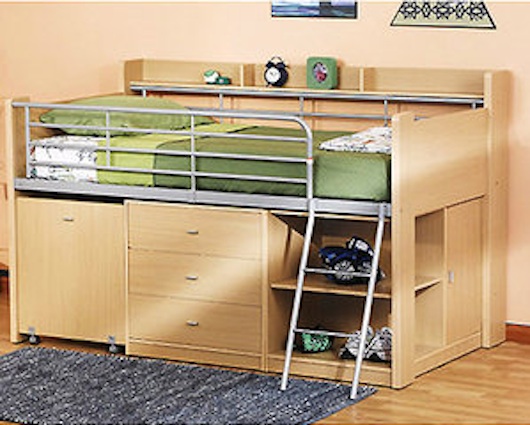
This loft bed design combines sleeping, working, and storage into a single furniture piece ideal for tiny houses, studios, and small bedrooms. The elevated bed frees floor space for a pull-out desk below, while drawers and shelves throughout provide hidden and open storage. A built-in ladder provides loft access.
Furniture Features
- Type: Loft bed with integrated desk and storage
- Sleeping: Elevated bed platform
- Desk: Pull-out/hide-away design below loft
- Storage: Multiple drawers for hidden storage
- Shelving: Open shelves on sides
- Access: Built-in ladder
- Ideal For: Tiny houses, studios, small bedrooms, children’s rooms
Storage Closed, Desk Hidden
[continue reading…]
{ }
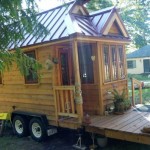
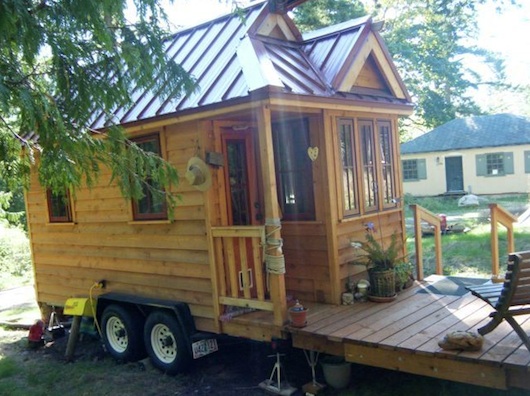
Adding a larger porch to a tiny house on wheels effectively expands the living area without increasing the interior footprint. This design approach allows occupants to lounge, read, and enjoy outdoor activities while remaining connected to their home. For tiny house dwellers, thoughtful outdoor space becomes an essential extension of interior living.
Design Details
- Type: Tiny house on trailer with extended porch
- Deck Size: 8 x 8 feet
- Deck Design: Portable/detachable for mobility
- Exterior: Red roof with matching red window and door accents
- Interior: Cedar shelves and finish
- Sleeping: Sleeping loft
- Bathroom: Compost toilet, propane-heated shower
- Kitchen: Refrigerator, 2-burner stove, sink
- Heating: Propane heater
- Weight: 7,500 pounds total for towing
Tiny House with Extended Porch
[continue reading…]
{ }
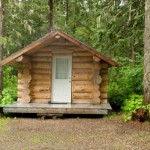
Building a tiny log cabin using materials harvested within 100 feet of the construction site represents the ultimate in self-reliant construction. These hand-built cabins demonstrate that with basic tools, time, and wooded property, anyone can create a rustic retreat using traditional notching techniques and minimal purchased materials.
Construction Details
- Materials Source: Trees within 100 feet of build site
- Construction: Solo builder using hand tools and power tools
- Techniques: Half-notch log joinery, hand-split shingles
- Foundation: Large rocks (first cabin), concrete blocks (second cabin)
- Flooring: Dirt floor (first cabin), hand-made wood floor (second cabin)
First Cabin Project
- Labor: 100 hours total
- Trees: 5 fir trees plus saplings
- Purchased Materials: Bag of screws, mortar, concrete blocks, thick poly, zinc strip for roof
- Foundation: 4 large rocks
- Tools: Hand saw, axe, mallet
Log Cabin Exterior

Photo: Timothy Epp (representative cabin image)
[continue reading…]
{ }
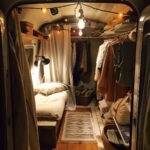
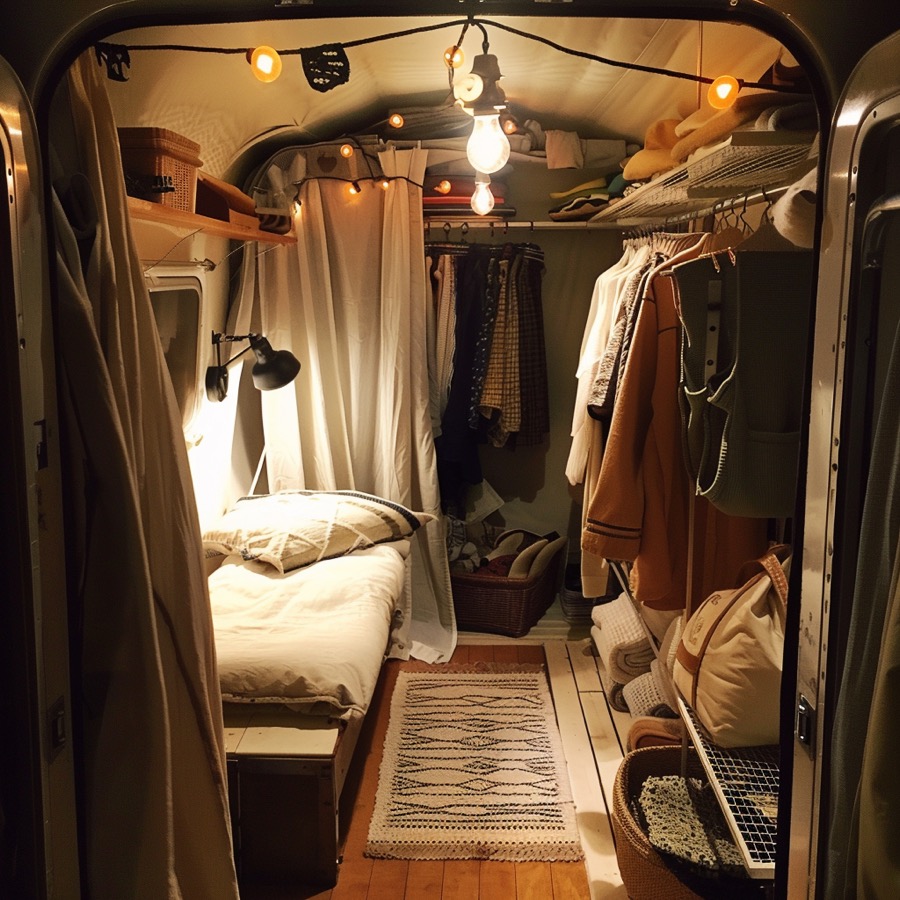
Architect Sergio Sanchez converted a rented walk-in closet into a functional studio apartment, demonstrating extreme small space living. The design incorporates a sleeping loft above a home office, mini refrigerator, and television area. A window in the closet provides natural light, making the unconventional space surprisingly livable.
Conversion Details
- Original Space: Walk-in closet
- Designer: Sergio Sanchez, Architect
- Sleeping: Loft bed above workspace
- Work Area: Home office below loft
- Amenities: Mini refrigerator, television area
- Natural Light: Window (unusual for closet space)
Closet Studio Concept Visualizations
[continue reading…]
{ }
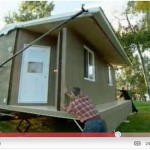
The Habitaflex is a foldable tiny house that expands from an 8-foot-wide trailer into a family-sized living space using a mechanical crank system. Built by Maisons Laprise Inc, a Canadian manufacturer of prefab homes since 1989, the unit includes full amenities: kitchen with cabinets, sink, oven, and fan; bathroom with toilet and full-sized shower; and climate control. Setup requires 2-3 hours with 2-3 people.
Design Details
- Manufacturer: Habitaflex (subsidiary of Maisons Laprise Inc)
- Folded Width: 8 feet (trailer legal)
- Expansion System: Mechanical crank for walls and roof
- Setup Time: 2-3 hours with 2-3 people
- Foundation: None required (trailer-based)
- Kitchen: Cabinets, sink, oven, fan
- Bathroom: Toilet, full-sized shower
- Security: Key-operated locking system for fold/unfold
- Wall System: Built-in rolling mechanism
Habitaflex Expanded View
[continue reading…]
{ }
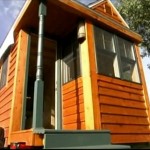
Lake Michigan College built a 102 square foot Tumbleweed Weebee tiny house as part of their Green Building Academy program. The educational project teaches sustainable construction techniques while creating a functional demonstration home. Features include a solar tube for natural kitchen lighting and plans for solar panels and a self-contained solar water heater.
Project Details
- Model: Tumbleweed Weebee
- Size: 102 square feet
- Builder: Lake Michigan College Green Building Academy
- Instructor: Aaron Closson
- Funding: Michigan Community College Association energy grant
- Features: Solar tube for kitchen lighting
- Planned Additions: Solar panels, solar water heater
LMC Tiny House Exterior

Photo via Lake Michigan College
[continue reading…]
{ }

This collection gathers unique tiny house resources from across the web, including unusual dwelling types, DIY design tutorials, and inspiring minimalist stories. From van boats to log cabins to 3D modeling guides, these links offer diverse perspectives on small space living.
Featured Resources
- Van Boat: Hybrid vehicle-watercraft dwelling
- Tiny Log Cabin: Hand-built cabin from site materials
- Google SketchUp Tutorials: 7-part tiny house design series
- Tumbleweed Fencl: Classic 130 SF tiny house design
- Minimalist House Developments: Tiny house subdivision concepts
Van Boat Hybrid Dwelling
This unique van-boat combination represents creative thinking in mobile dwelling design, combining road and water capability.
[continue reading…]
{ }

Building an independent online business while embracing small space living demonstrates how reduced expenses enable entrepreneurial risk-taking. By eliminating car payments, downsizing possessions, and keeping housing costs low, aspiring business owners can extend their runway and pursue self-employment with less financial pressure.
Financial Strategy for Entrepreneurship
- Save While Employed: Build runway before leaving traditional employment
- Reduce Possessions: Fewer belongings mean lower storage and housing costs
- Eliminate Car Payments: Owning vehicles outright reduces monthly obligations
- Keep Housing Modest: Small apartments and tiny houses minimize rent or mortgage
- Build Community Support: Surround yourself with people who encourage persistence
Benefits of Low-Cost Living for Entrepreneurs
- Extended Runway: Lower expenses mean savings last longer during business building
- Reduced Pressure: Modest living costs decrease the income needed to survive
- Focus on Growth: Less financial stress allows concentration on business development
- Risk Tolerance: Smaller obligations make entrepreneurial leaps less frightening
- Flexibility: Low overhead enables pivoting and experimentation
[continue reading…]
{ }

Tumbleweed Tiny House workshops teach participants how to build their own tiny houses from start to finish. These hands-on classes cover trailer foundations, framing, insulation, roofing, and systems installation. Attendees learn practical skills alongside other aspiring tiny house builders, gaining the knowledge needed to construct their own homes.
Workshop Curriculum
- Foundation: Building on a trailer vs. permanent foundation
- Tools: The essential tools needed for construction
- Framing: Wall and roof framing techniques
- Sheathing: Exterior sheathing installation
- Insulation: Proper insulation and moisture management
- Venting: Condensation prevention strategies
- Roofing: Roof installation methods
- Siding: Exterior siding techniques
- Systems: Water heaters, appliances, toilets, air conditioning
- Codes: Building codes, restrictions, and zoning information
Workshop Locations
Tumbleweed workshops have been held in cities across the United States including:
- Orlando, FL
- Santa Fe, NM
- Nashville, TN
- Honolulu, HI
- Boston, MA
- Olympia, WA
- Washington DC
- Chicago, IL
- Los Angeles, CA
- Portland, OR
- New York, NY
- Santa Rosa, CA
[continue reading…]
{ }