Dutch artist studio Atelier Van Lieshout created this industrial steel shelter from a welded garbage container as an artistic statement. The windowless structure features heavy steel doors with industrial hinges, welded locks, and an interior with benches, toilet, shelf, and combined fireplace/oven/stove. The rusted exterior deliberately blends with post-industrial environments.
Structure Details
- Creator: Atelier Van Lieshout
- Material: Repurposed garbage container, welded steel
- Exterior: Rusted steel, no windows
- Doors: Heavy steel with industrial hinges
- Security: Welded locks
- Interior: Two benches, toilet, shelf, fireplace/oven/stove
- Purpose: Art installation/statement piece
Steel Shelter Exterior
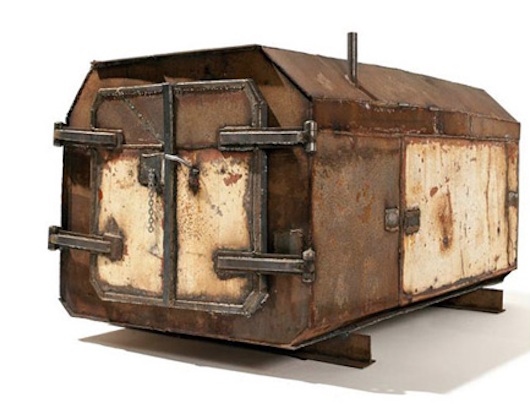
Photo via Atelier Van Lieshout
[continue reading…]
{ }
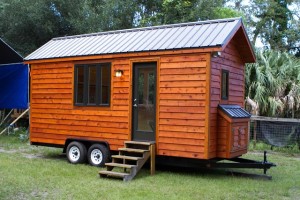
Matt and Laura built a 120 square foot Tumbleweed Tarleton tiny house in the woods of western North Carolina on a permanent foundation rather than a trailer. Working weekends while living and working in Atlanta, they documented the multi-year build process on their blog “Life in 120 Square Feet.”
Build Details
- Size: 120 square feet
- Design: Tumbleweed Tarleton
- Location: Western North Carolina woods
- Foundation: Permanent (not trailer-based)
- Builders: Owner-built by couple
- Schedule: Weekend construction while working in Atlanta
- Timeline: Multi-year project
Tarleton Tiny House in North Carolina
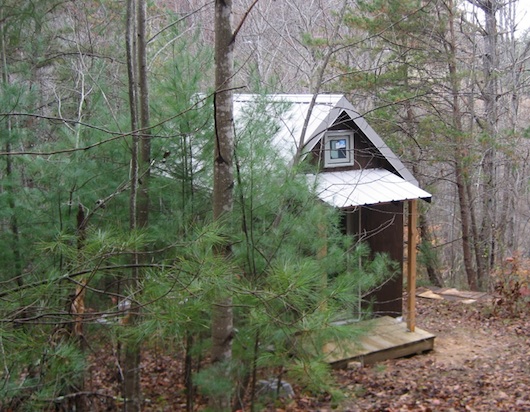
Photo via Matt and Laura
[continue reading…]
{ }
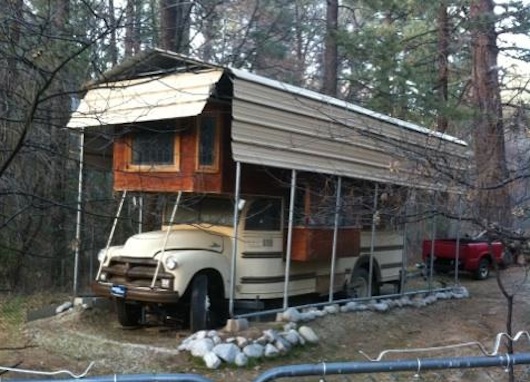
Converting old trucks and buses into tiny houses offers an alternative path to mobile living that bypasses traditional building codes. These vehicle-based dwellings can include multiple levels, permanent additions, and custom interiors while maintaining the option to relocate. The approach transforms affordable used vehicles into unique homes.
Conversion Possibilities
- Base Vehicles: School buses, commercial trucks, vans
- Additions: Upper floors, roof extensions, slide-outs
- Interior: Full custom build-out to owner specifications
- Mobility: Drivable or towable depending on condition
- Stealth Option: Can be designed to attract less attention
Truck House with Second Story
[continue reading…]
{ }
Tiny house living pairs naturally with location-independent online businesses that require only a computer and internet connection. These business models enable earning income from minimal space while supporting the simplified lifestyle that draws people to small dwellings. From content creation to consulting, opportunities exist across skill sets and interests.
Online Business Models for Tiny Houses
- Content Publishing: Blogs, websites, podcasts, video channels
- Information Products: eBooks, courses, guides, tutorials
- Affiliate Marketing: Earning commissions on recommended products
- Advertising Revenue: Display ads on content sites
- Consulting: Expert services delivered remotely
- Freelancing: Writing, design, development, virtual assistance
[continue reading…]
{ }
The Cai House by designer/builder Nick Hurt of Fletcher, Vermont is a two-story tiny house on wheels that expands from towable dimensions to 420 square feet when deployed. Described as “a super-insulated RV disguised as a cabin or cottage,” the wood-frame structure features fold-out sections that dramatically increase living space while maintaining mobility.
Design Details
- Name: Cai House
- Designer/Builder: Nick Hurt
- Location: Fletcher, Vermont
- Expanded Size: 420 square feet
- Stories: Two
- Construction: Wood frame on wheels
- Insulation: Super-insulated
- Build Cost: Approximately $50,000
- Description: Super-insulated RV disguised as cabin/cottage
Cai House Exterior
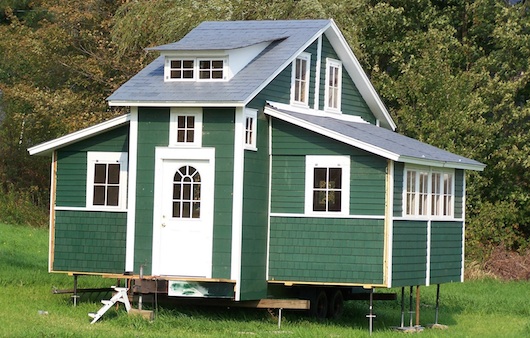
Photos via Cai House/Nick Hurt
[continue reading…]
{ }
Finding legal parking for a tiny house on wheels presents one of the biggest challenges for prospective tiny house dwellers. Options include backyards where RVs are permitted, rented land, RV parks, and creative arrangements with property owners. The key is researching local regulations, networking with landowners, and maintaining flexibility about location.
Parking Options
- Backyards: Properties where RVs or sheds are allowed
- Rented Land: Leasing space from rural property owners
- RV Parks: Established sites accepting tiny houses
- Craigslist/Classifieds: WANTED ads seeking parking arrangements
- Networking: Word-of-mouth referrals from contacts
Profitable Parking Strategy
Purchase a property with a house and yard space, park the tiny house in the yard, live in the tiny house, and rent the main house. This approach can generate positive cash flow from the living situation.
[continue reading…]
{ }
Living in a tiny house as a couple presents unique benefits and challenges compared to solo tiny living. Tumbleweed-style homes of 65-120 square feet require partners to agree on lifestyle priorities, but reward them with dramatically simplified living, minimal expenses, and more time for shared interests. Couples who have made it work report stronger relationships and accelerated progress toward financial and personal goals.
Benefits for Couples
- Super Simplified Life: Minimal possessions mean minimal maintenance
- Less Than 30 Minutes Weekly Cleaning: Small spaces clean quickly
- Lowest Possible Living Expenses: Minimal housing costs
- Accelerated Savings: Extra money for goals and passions
- More Time Outdoors: Small interiors encourage outside activities
- Community Connection: Meeting others with shared values
- Increased Physical Activity: Active lifestyle replaces sedentary home time
Challenges to Consider
- Privacy: Limited space for alone time
- Storage: Two people’s belongings in minimal space
- Work Space: Home office arrangements require creativity
- Guests: Hosting visitors becomes challenging
- Partner Agreement: Both must genuinely embrace the lifestyle
[continue reading…]
{ }