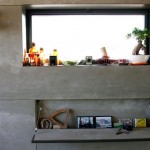
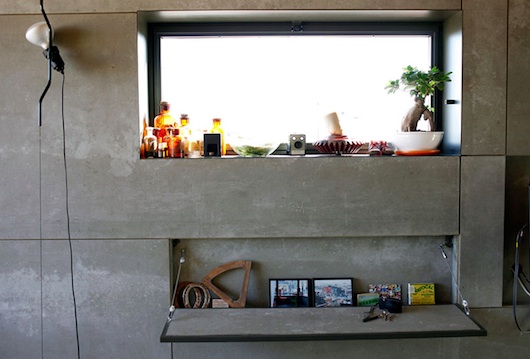
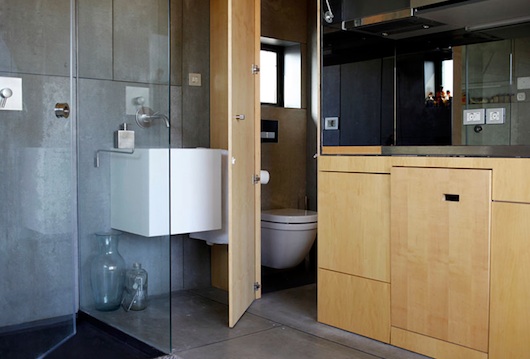
This 258 square foot transforming apartment in Barcelona was converted from a former water tank storage space in a building’s attic. Designed by architect Barbara Appollini, the space draws inspiration from small Japanese homes and space-saving boat furniture to create a living environment where walls and furniture serve multiple functions and nearly everything can be hidden away.
Apartment Specifications
Location: Barcelona, Spain
Size: 258 square feet
Designer: Barbara Appollini, architect
Original Use: Water tank storage for building
Position: Building attic
Outdoor Space: Roof terrace with city views
Design Inspiration: Japanese homes and boat furniture
The Liters of Light project brings free daytime illumination to dark shanty homes using recycled plastic bottles filled with water and bleach. This simple solar lighting solution requires no electricity, costs almost nothing to install, and provides up to 60 watts equivalent of clear light for families who previously relied on expensive and dangerous kerosene lamps.
How It Works
Materials: One-liter plastic bottle, water, four teaspoons of bleach
Installation: Hole cut in corrugated iron roofing, bottle inserted and sealed
Installation Time: Less than one hour
Light Output: Approximately 60 watts equivalent
Lifespan: Up to 5 years (bleach prevents algae growth)
Cost: Nearly free using recycled materials
Before Liters of Light
After Liters of Light
Project Impact
Scale: Thousands of installations across the Philippines
Inspiration: Similar projects in Brazil and concepts from MIT
Founder: Ilac Diaz, entrepreneur focused on simple green technologies
Community Involvement: Hundreds of volunteers participate in installation events
Video Demonstration
Lessons from Liters of Light
Simple Solutions Solve Big Problems: A plastic bottle, water, and bleach provide free lighting for five years
Recycled Materials Have Value: Trash becomes infrastructure when creatively repurposed
Zero Energy Consumption: Solar refraction requires no electricity or ongoing fuel costs
Health Benefits: Eliminates indoor smoke from kerosene lamps
Scalable Design: Anyone can install these with minimal training
Downsizing life creates space for what matters most—whether that means more time freedom, launching a business, pursuing art, traveling full-time, or simply enjoying more quality family moments. These five practical approaches help anyone begin simplifying their lifestyle.
Five Ways to Downsize Your Life
Reduce Possessions: Keep only items that serve a purpose or bring genuine joy
Shrink Living Space: Smaller homes mean less maintenance, lower costs, and more freedom
Cut Recurring Expenses: Eliminate subscriptions, services, and payments that don’t add value
Simplify Commitments: Say no to obligations that drain time without providing meaning
Streamline Work: Consider reducing hours, changing careers, or creating location-independent income
Video Guide
Common Motivations for Downsizing
Time Freedom: Less stuff and smaller spaces require less maintenance
Career Change: Lower expenses enable risk-taking on new opportunities
Business Launch: Reduced overhead provides runway for entrepreneurship
Creative Pursuits: Simplicity creates space for art, writing, and passion projects
Travel Goals: Minimal possessions and housing enable mobility
Family Time: Less work obligation means more presence with loved ones
Lessons from Downsizing
Freedom Comes From Less: Fewer possessions mean fewer things demanding attention and maintenance
Expenses Control Options: High fixed costs require high income; low costs enable flexibility
Space Expands When Empty: Removing clutter makes small spaces feel larger
Habits Build Gradually: Start with one area and expand simplification over time
Values Clarify Choices: Knowing what matters most makes deciding what to keep easier
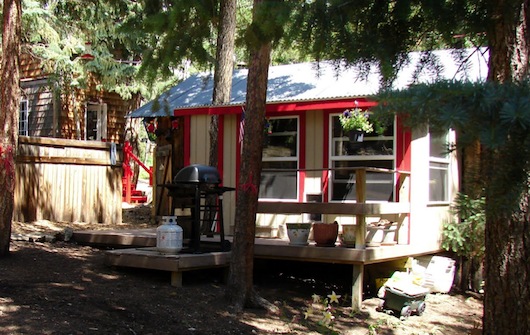
This Colorado mountain cabin demonstrates how downsizing can lead to a simpler, more satisfying lifestyle. What started as a rental property investment became a permanent home when the owners discovered the benefits of small-space living.
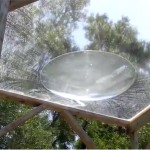
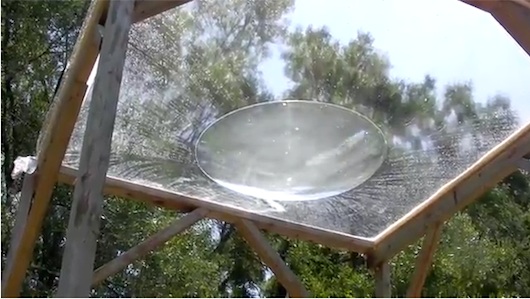
This DIY solar cooker uses a simple water-filled lens to concentrate sunlight for cooking without any fuel. Created by Dan Rojas of Green Power Science, the design demonstrates how clear vinyl, wood, water, and sunlight combine to create enough heat to fry eggs and cook food entirely off-grid.
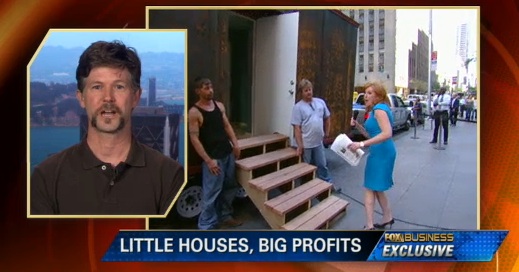
Tumbleweed Tiny House Company and founder Jay Shafer appeared on Fox Business for an in-depth tour of their 170 square foot Popomo tiny house. The segment explores every area of the compact home including the bedroom with shelving, closet storage, open living room, tiny kitchen, and surprisingly functional bathroom.
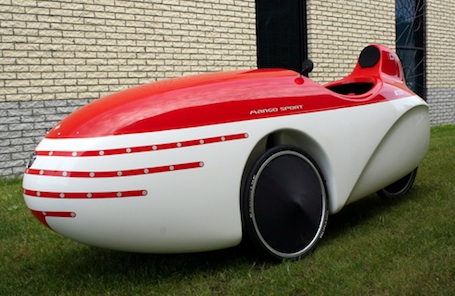
The velomobile combines bicycle efficiency with automotive-style weather protection, creating a human-powered vehicle capable of sustained 28 MPH speeds. This aerodynamic tricycle enclosed in a lightweight shell offers a practical alternative to car commuting for those seeking zero-fuel transportation with protection from sun, rain, and cold.
Velomobile Specifications
Type: Enclosed recumbent tricycle
Top Speed: Up to 28 MPH on flat ground
Power Source: Human pedal power (electric assist optional)
Weather Protection: Full enclosure shields from sun, rain, and cold
Cargo Capacity: Room for work clothes, belongings, and beverage
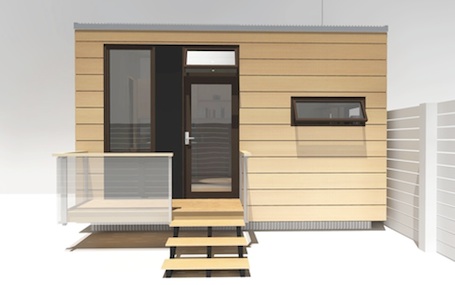
The Tata Group, known for producing the world’s most affordable car, developed a flat-pack prefab house concept targeting extreme affordability. The 215 square foot kit home includes doors, windows, and roof components designed for assembly within a week, aimed at addressing housing needs in developing markets.
Target Market: Private buyers and state governments in India
Example 215 SF Prefabricated Home
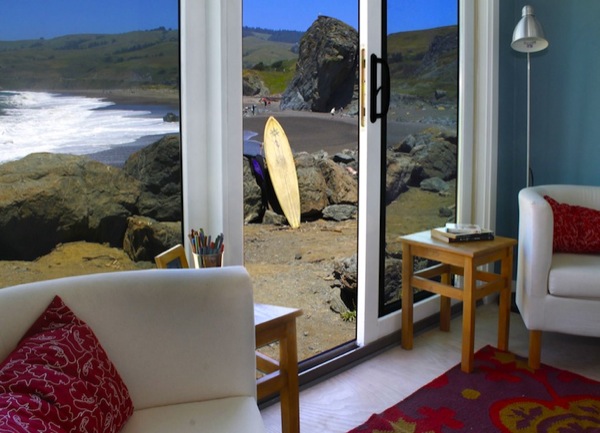
The images below show a 215 square foot prefab home by Sustain Design Studio (not affiliated with Tata) to illustrate what this size looks like when well-designed.
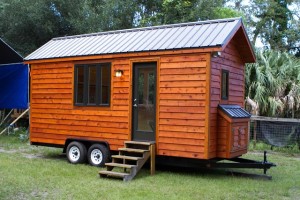
The Tumbleweed Popomo offers 170 square feet of living space on a flatbed-style trailer, making it the widest tiny house design in the Tumbleweed lineup that still requires no special permit to tow. At 8 feet 6 inches interior width, the Popomo provides significantly more living space than standard trailer-width designs while maintaining steel siding for durability.
Popomo Specifications
Designer: Tumbleweed Tiny House Company
Size: 170 square feet
Interior Width: 8 feet 6 inches
Trailer Type: Flatbed style (sits over wheels)
Exterior: Steel siding
Permit Required: No special permit to tow
Estimated Build Cost: Approximately $20,000 with new materials
DIY Friendly: Designed as easiest Tumbleweed to build