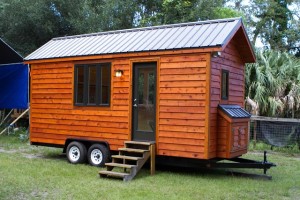
The Safari Condo Alto bridges the gap between compact teardrop trailers and full-featured travel trailers. Made in Quebec, Canada, this aluminum trailer features an electric pop-up roof that transforms it from a low-profile, aerodynamic towing configuration into a stand-up living space when parked.
The Expandable Roof Concept
What sets the Alto apart from traditional teardrops is its electric-powered expandable roof. When traveling, the trailer maintains a sleek, aerodynamic profile that reduces drag and improves fuel economy. Once parked, the roof raises at the push of a button, providing:
- Full standing height throughout the interior
- Additional windows for natural light and ventilation
- Expanded living space that feels more like a travel trailer than a teardrop

Photos Courtesy of Safari Condo
[continue reading…]
{ }
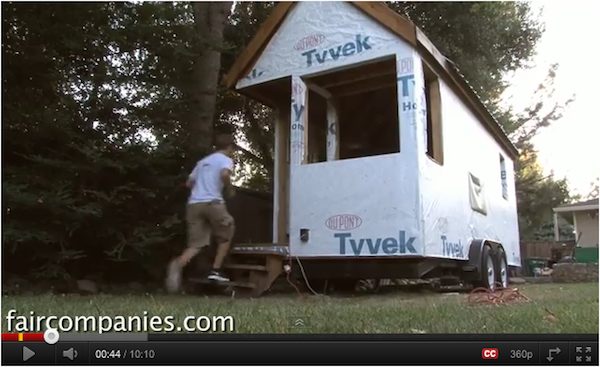
Austin Hay became one of the youngest tiny house builders when, as a high school student, he constructed his own tiny house on a trailer in his parents’ backyard. His story, captured in an interview by Kirsten Dirksen of Faircompanies, inspired countless others to consider building their own small homes—regardless of age or experience level.
Why Austin Chose Tiny
Even as a teenager, Austin understood the financial implications of housing choices. His motivations for building small included:
- Fewer bills: Minimal utility costs with a small footprint
- Fewer chores: Less space means less to clean and maintain
- No mortgage: Own your home outright from the start
Building on a Budget with Salvaged Materials
Austin demonstrated that resourcefulness can dramatically reduce building costs. By sourcing recycled and salvaged materials whenever possible, he kept expenses to a fraction of what new materials would have cost.
Examples of his finds:
- Double-pane glass door
- Stainless steel sink
- Hardwood flooring
His approach to sustainable building extended beyond cost savings. Over fourteen months of construction, Austin generated less than two modest garbage cans worth of waste—a stark contrast to typical construction projects.
[continue reading…]
{ }
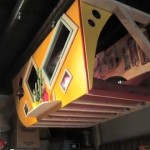
The Krunk Bunk is a hanging micro cabin designed by Derek “Deek” Diedricksen of RelaxShacks. Built to hang from tall ceilings, this suspended sleeping loft creates additional living space without consuming floor area. Perfect for high-ceiling spaces, the Krunk Bunk can serve as a sleeping platform, reading nook, or elevated workspace with room below for office or storage.
Krunk Bunk Features
- Designer: Derek “Deek” Diedricksen (RelaxShacks/Tiny Yellow House)
- Type: Hanging micro sleeping loft
- Installation: Suspended from ceiling/rafters
- Uses: Sleeping loft, reading space, kids’ hangout, elevated office
- Space Below: Available for desk, storage, or additional function
Krunk Bunk Installed

Photo Credits: YouTube, Make, Tiny Yellow House
[continue reading…]
{ }

In tiny houses and small apartments, beds consume significant floor space that could otherwise serve multiple functions. Multipurpose beds solve this problem by combining sleeping surfaces with other furniture—or by making the bed itself mobile and concealable.
Hidden Bed and Desk Combo
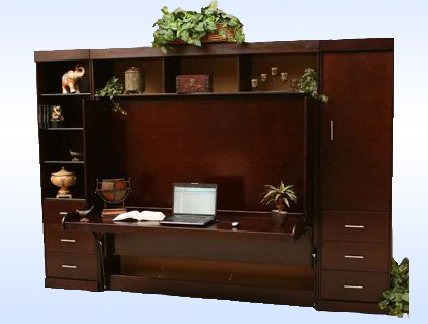
One of the most practical multipurpose bed designs combines a workspace with sleeping quarters. The key innovation: the desk surface remains level when the bed folds down, so you don’t need to clear your workspace before sleeping.
How It Works
The desk pivots as the bed descends, maintaining a horizontal surface throughout the transition. Items on the desk (up to 45 pounds) stay in place.
[continue reading…]
{ }

Team CASITA at Northwestern University designed and built an off-grid tiny house on a trailer as an academic project exploring sustainable, efficient housing. The 128-square-foot structure incorporated solar power, rainwater collection, and carefully selected building materials to demonstrate that small homes can operate independently from utility connections.
Project Overview
The CASITA project aimed to create a fully functional, self-sufficient dwelling using smart design principles. The team addressed the core challenges of off-grid living: generating electricity, collecting and storing water, and maintaining comfortable temperatures year-round.
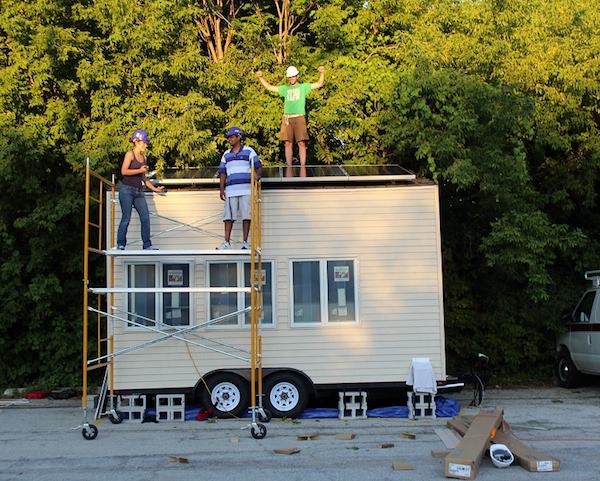
Photo Credit: Northwestern University
[continue reading…]
{ }
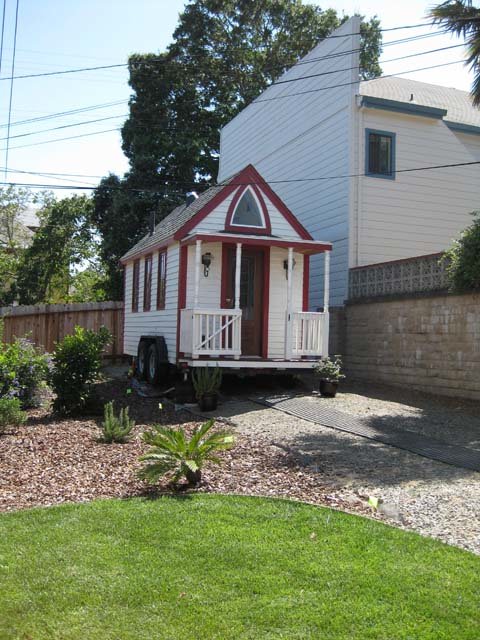
Elaine Walker built her Tumbleweed Lusby after discovering Jay Shafer’s designs and deciding to downsize from a conventional home. Her tiny house showcases how the classic Lusby floor plan translates into a fully functional living space, with thoughtful material choices and practical amenities throughout.
Exterior Features
- Roofing: Shingled roof for weather protection
- Siding: Painted cedar for durability and aesthetics
- Windows: Loft windows with custom stained glass inserts
- Foundation: Flatbed trailer for mobility
- Insulation: Recycled denim (made from repurposed jeans)
[continue reading…]
{ }
Hart Cottage on Keewaydin Island, Florida, represents a distinctive example of the Sarasota School of Architecture—a regional modernist movement that emerged in Southwest Florida during the mid-20th century. Designed by architect Bert Brosmith and built in 1959, this small island cottage demonstrates how thoughtful design can create harmony between built structures and their natural surroundings.
Location and Access
Keewaydin Island sits just south of Naples, Florida, accessible only by boat. This isolation shaped the cottage’s design and construction—every material had to arrive by water, making the project logistically challenging but resulting in a structure deeply connected to its maritime setting.
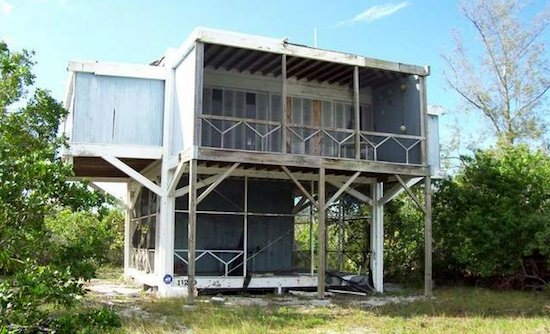
Photo Credit: Marie Barnett
[continue reading…]
{ }
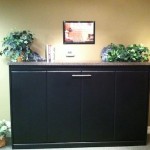
Small space furniture helps you create more storage with the same square footage thanks to smart design.
That’s why I went to visit my local Murphy Bed Center.
Also known as the More Space Place.
Surprisingly I hardly ever see many people utilizing Murphy beds in small spaces.
Maybe it’s because of the price, I don’t know.
But either way they seem to be a great solution for your tiny or small house.
Thanks to multipurpose furniture like this you’re able to…
- Hide your bed up against the wall when you’re not using it
- Bring down a desk that was otherwise hidden
- Turn your living room into a guest bedroom
The possibilities can be endless. So here’s what I found while I was there.
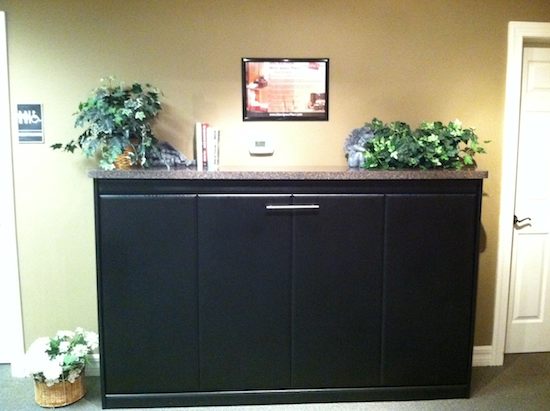
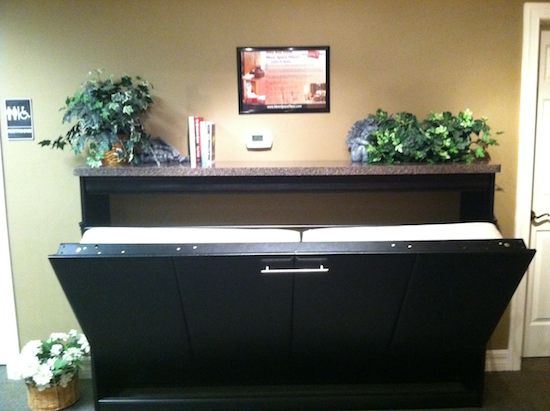
This is a really nice piece of furniture that can be great for guests.
[continue reading…]
{ }
Dee Williams is one of the most influential figures in the modern tiny house movement. After a health scare prompted her to reevaluate her priorities, she built an 84-square-foot house on wheels for less than $10,000 and parked it in a friend’s backyard—a decision that would inspire thousands of others to rethink their relationship with space and possessions.
The House That Started a Movement
Dee’s tiny house demonstrates that comfortable living doesn’t require much space. Her approach prioritizes simplicity over amenities:
- 84 square feet of living space on a trailer
- One-burner stove for cooking
- Composting toilet (no traditional plumbing)
- No shower—she uses her host home’s facilities
- Minimal utility costs due to the tiny footprint
The house sits in her friends’ backyard, an arrangement that exemplifies the community-oriented approach many tiny house dwellers adopt.

Photo Credit: Tammy Strobel
[continue reading…]
{ }